
Everything You Need to Know About Orangeries

Everything You Need to Know About Orangeries
Once a symbol of wealth and elegance in many European countries, orangeries were used to house citrus trees during the colder months. They have now evolved into one of the most functional and stylish home extensions on the market. Orangeries blend classic architecture with the functionalities of modern living, while also offering a bright, airy space that adds beauty and property value.
If you are reading this article, you may have some burning questions, such as, What is an orangery? What are the differences between an orangery and a conservatory? How much does an orangery cost?.
Whether you are curious about their growing popularity or looking to upgrade to a contemporary orangery extension, Southern Conservatories will guide you through everything you need to know about orangeries, from their history and design to costs and practical uses.
What is an Orangery?
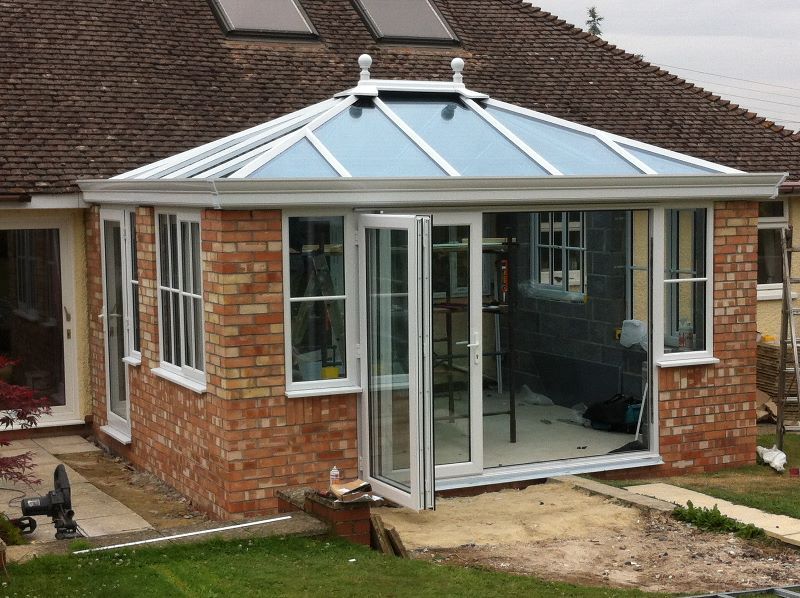
So, what is an orangery? They are a type of brick extension that blends features of a conservatory and a proper house extension. Typically, orangeries have a brick base and a flat perimeter, with the combination of glass walls, a glass roof, roof lanterns and solid brick pillars. A traditional orangery is constructed out of 50% glass or polycarbonate side walls, and less than 75% glass or polycarbonate roof area. Today, orangeries are rising in popularity amongst homeowners as a bright, spacious, and well-insulated living space that can perform a variety of functions depending on your lifestyle.
A Brief History of Orangeries
Originating in 17th-century Renaissance Italy, Orangeries became vastly popular among affluent families and wealthy landowners. They were initially designed to grow and protect citrus trees in the colder climate of the winter months due to the larger expanses of glazing to nurture the fruit. Still, over time, they have become versatile spaces to entertain and live in.
Orangeries were also, in fact, the origin of the modern conservatory. Over time, the solid roof of an orangery turned into glazed glass roofs, allowing the building to be seen by visitors and passersby as a way to demonstrate the property owner’s status. Approaching the 19th century, the orangery became known as the ‘conservatory’, deriving from the Italian word ‘conservo’ meaning ‘to conserve’ and the Latin word ‘-ory’ meaning ‘a place for’. It wasn’t long after this evolution that the Crystal Palace was designed and built, leading to a continuous increase in glass being used in construction.
What is the Difference Between an Orangery and a Conservatory?
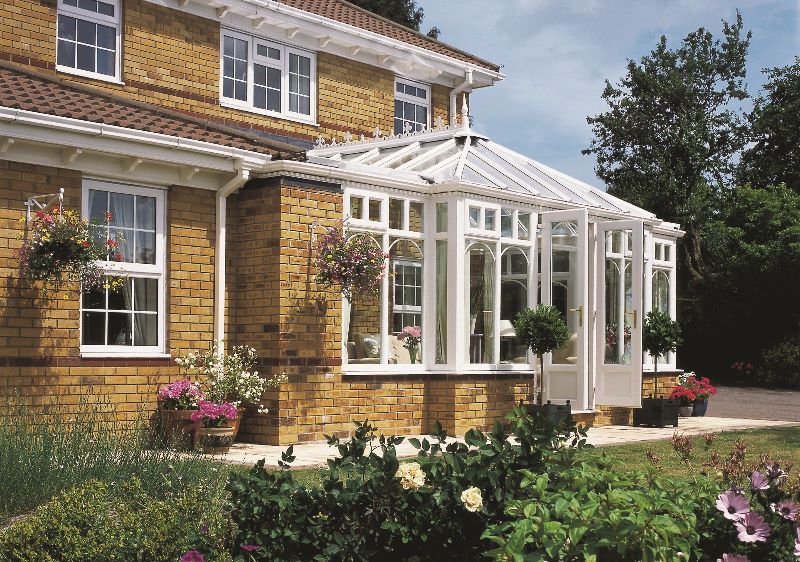
There are many similarities between an orangery and a conservatory, which is why it is very common that they are mixed up. The general distinction between the two is that an orangery has a glass roof that usually covers less than 75% of the overall roof area and glass walls covering less than 50% of the total wall area. In contrast, in conservatories, the glass roof usually covers at least 75% of the total roof area and at least 50% of the overall wall area. Simply put, a conservatory is primarily a glass structure with a pitched roof, and an orangery can be identified as a more solid, house-like structure with brick pillars and a flat roof (commonly with skylights or a raised roof feature).
The Benefits of an Orangery
Orangeries and conservatories can suit a variety of different styles as a result of the customisable options developed from modern design and technology. Making the choice between them depends on the era of your home, the desired look of your new extension, and what functionalities suit your home’s needs.
If you are looking for an affordable, flexible design that floods your space with natural light, then a conservatory may be the more favoured choice. However, the thermal efficiency, year-round usability, increased property value, and versatile aesthetic appeal of an orangery are guaranteed to be a worthwhile investment for your long-term home goals.
How Much Does an Orangery Cost?
The cost of an orangery can vary widely depending on its size, design, materials, and your location. Small orangeries made out of materials such as timber are usually the most affordable option. A small orangery (e.g. 4m x 4m) can generally cost anywhere from £5,000 to £15,000 for hardwood structures, whilst larger orangeries (e.g. 7m x 7m) can range in cost from £18,000 or more. The type of materials used, such as uPVC or hardwood, and additional features such as skylights or heating systems, can also affect the cost.
Despite the higher upfront cost compared to other types of extensions, the long-term value and durability of an orangery make it an extremely worthwhile investment opportunity.
Get In Touch For Your Own Bespoke Orangery
Are you ready to bring your vision to life? A bespoke orangery could be the perfect way to elevate your home. By personalising an orangery to your needs and taste, they can offer unrivalled charm and functionality for homeowners looking to enhance their living space. Get in touch with our team at Southern Conservatories today via our contact form, over the phone or email. Start your quick and easy online quote to become one step closer to your dream orangery.

